
Oil prices climbed on Wednesday as escalating attacks on energy infrastructure across the Middle East heightened concerns over prolonged supply disruptions. Brent crude settled at $107.38 per barrel, up nearly $4, or 3.8%, while U.S. West Texas Intermediate (WTI) crude settled at $96.32, up 11 cents, or 0.1%. Brent briefly traded near $110 and has now held above $100 for a second straight session.
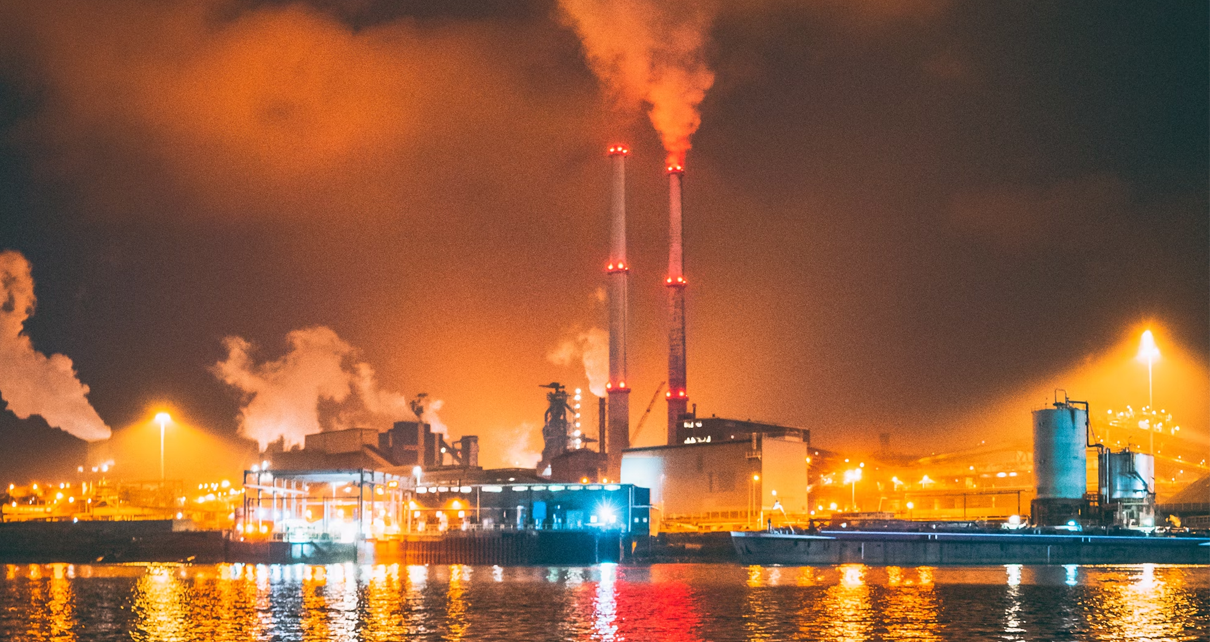
The gains followed a major escalation after Iran’s South Pars gas field was struck, prompting threats of further attacks across the region. Qatar’s Ras Laffan industrial hub also sustained significant damage from missile strikes, raising fears of broader disruptions to critical energy infrastructure.
The Strait of Hormuz remains effectively closed, with the conflict continuing to disrupt a key transit route that normally carries about 20% of global oil and LNG supply. Total Middle East production losses are estimated between 7–10 million barrels per day, or up to 10% of global demand.
Some offsetting supply developments emerged, including the restart of crude exports from Iraq’s Kirkuk fields and efforts to reroute flows from Libya. In the U.S., policymakers introduced temporary measures to ease fuel costs, including a waiver of shipping restrictions and regulatory flexibility on gasoline.
Despite these measures, markets remain tightly balanced, with prices supported by ongoing geopolitical risk and uncertainty surrounding the duration and severity of supply disruptions.