
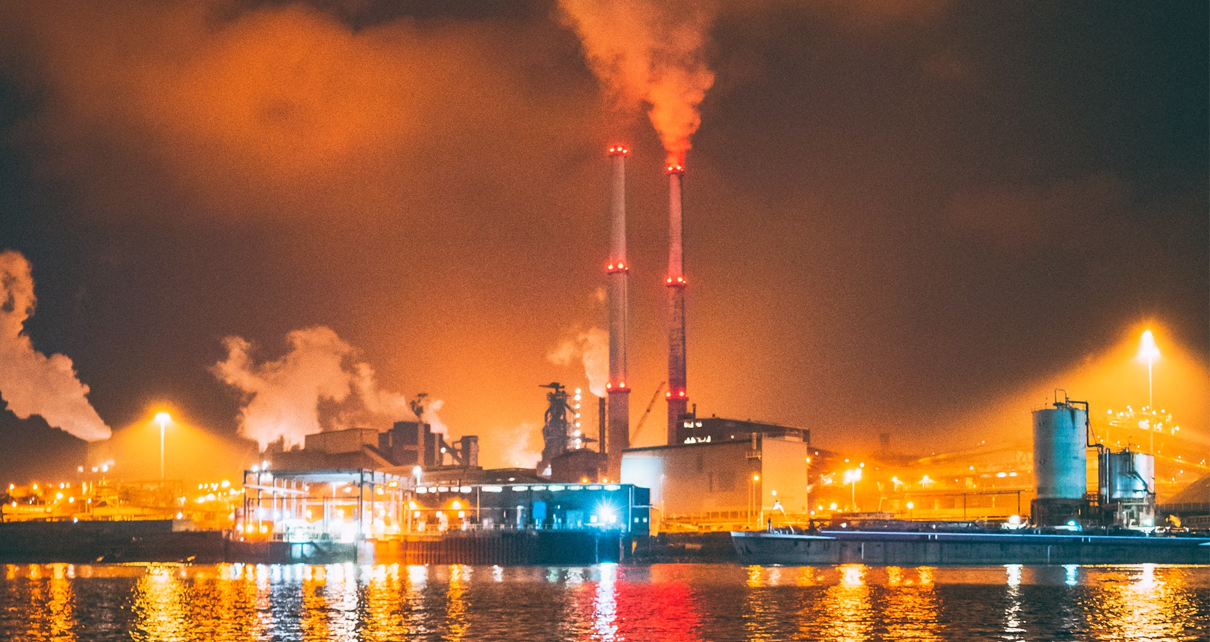
Oil prices climbed on Monday as escalating attacks in the Middle East raised concerns over potential supply disruptions, outweighing expectations for additional oil and diesel supplies from Russia. Continued threats to shipping routes and energy infrastructure kept upward pressure on crude prices despite efforts to increase available supplies.
Brent crude futures rose $1.93, or 1.8%, to settle at $106.65 a barrel, marking their highest closing price since September 15. U.S. West Texas Intermediate (WTI) crude gained $1.89, or 2%, to settle at $93.74 a barrel.
Attacks by Iran-backed Houthi forces against Saudi Arabia have heightened concerns about the security of energy infrastructure in one of the world’s largest oil-producing regions. Additional tanker attacks near Oman and within the Strait of Hormuz have also increased uncertainty surrounding the recovery of Middle Eastern oil exports. These developments threaten to reverse some of the progress made in restoring regional supply flows.
The Strait of Hormuz remains a critical risk for global energy markets, with continued attacks raising questions about how reliably oil shipments can move through the region. Although Middle Eastern exports improved in September, renewed security concerns have increased the possibility of further disruptions and helped support crude prices.
In the United States, energy companies are working to restore offshore production following Hurricane Isaias, which made landfall over the weekend. Major producers are redeploying personnel and assessing their platforms as operations recover from the storm.
Meanwhile, expectations for additional Russian diesel exports have weighed on refined fuel prices. President Trump said Russia would supply more than 300,000 metric tons of diesel to U.S. and global markets, with additional volumes expected later. Russia has also partially lifted restrictions on diesel exports, potentially adding approximately 3.7 million barrels to international markets. However, reduced Russian refining capacity could limit the impact of these additional supplies.
Efforts to reduce energy-related tensions between Russia and Ukraine have also drawn attention after Trump announced a ceasefire covering energy infrastructure. Ukraine subsequently accused Russia of violating the agreement, leaving uncertainty over whether the arrangement will meaningfully reduce disruptions to energy production and exports.
The International Energy Agency is encouraging member countries to accelerate previously pledged emergency stock releases, particularly diesel, and to consider whether further releases are necessary. While these measures could help ease fuel shortages, continued geopolitical tensions and threats to oil transportation remain significant factors supporting crude prices.

- Where: The Westin Galleria Dallas
- Attending: David Cohen (954-729-4774), and Curtis Chandler (239-405-3365)
- Conference Website

- Where: The Westin Galleria Dallas
- Attending: Brian Baker (239.297.4519)
- Conference Website